 Image 1 of 1
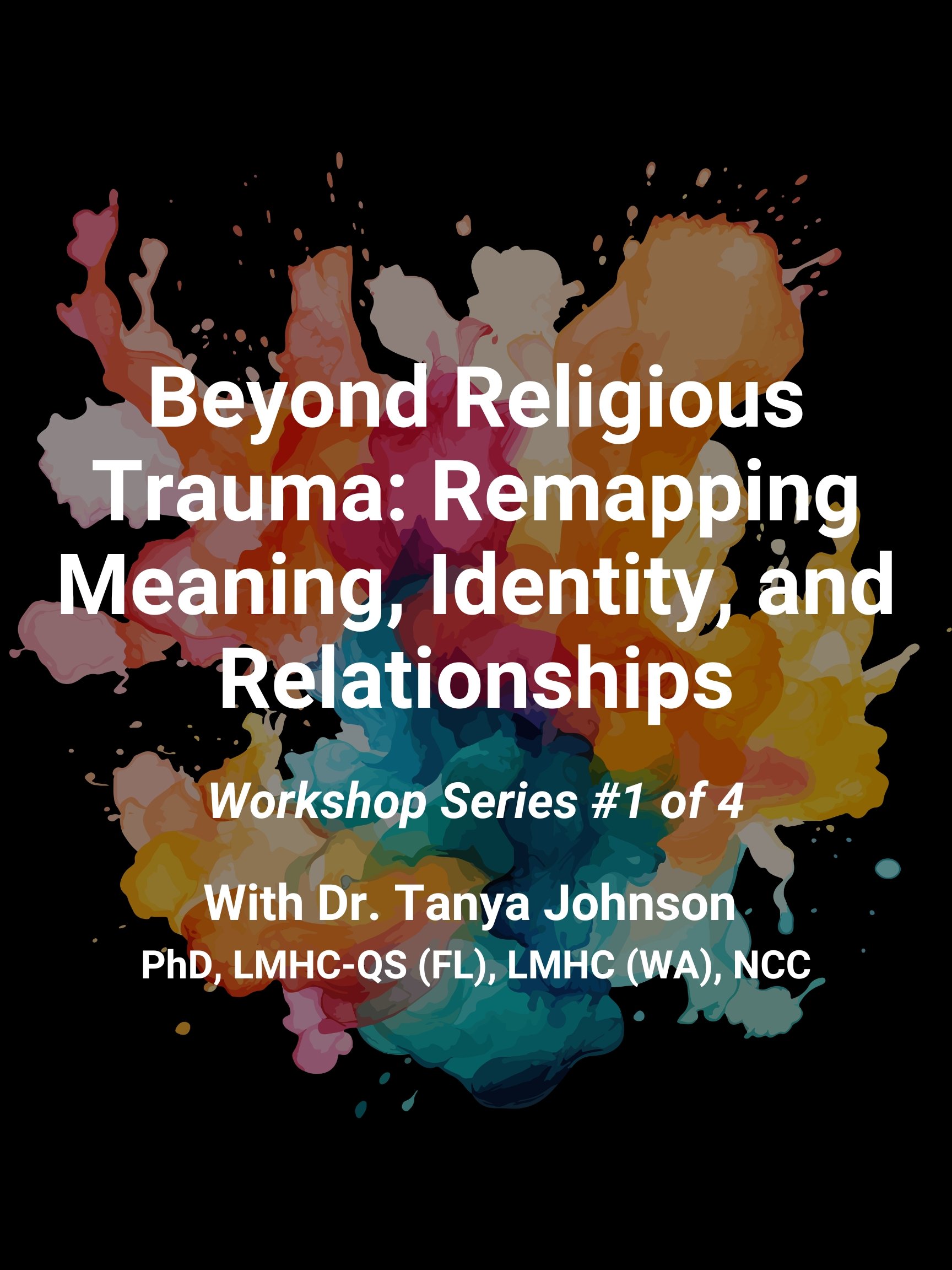
This workshop is the first of a four-part series exploring the landscape of religious trauma and the path toward reclaiming personal autonomy. Designed for mental health clinicians and students, this foundational session establishes core definitions and frameworks necessary for navigating religious trauma through an intersectional lens.
Participants will examine the role of religion as an orienting system for human wellbeing and clarify the therapist's role when clients navigate these systems. From there, the workshop dives into the mechanics of high-control groups and cults, focusing on behavioral conditioning and the forced shift from internal to external authority, as well as the impacts of religious trauma on relational templates, intergenerational identity, gender roles, and developmental progression.
Throughout the workshop, participants will use an intersectional lens to analyze how power dynamics (including race, sexuality, neurotype, and socioeconomic status) interact with religious conditioning.
This workshop is the first of a four-part series exploring the landscape of religious trauma and the path toward reclaiming personal autonomy. Designed for mental health clinicians and students, this foundational session establishes core definitions and frameworks necessary for navigating religious trauma through an intersectional lens.
Participants will examine the role of religion as an orienting system for human wellbeing and clarify the therapist's role when clients navigate these systems. From there, the workshop dives into the mechanics of high-control groups and cults, focusing on behavioral conditioning and the forced shift from internal to external authority, as well as the impacts of religious trauma on relational templates, intergenerational identity, gender roles, and developmental progression.
Throughout the workshop, participants will use an intersectional lens to analyze how power dynamics (including race, sexuality, neurotype, and socioeconomic status) interact with religious conditioning.